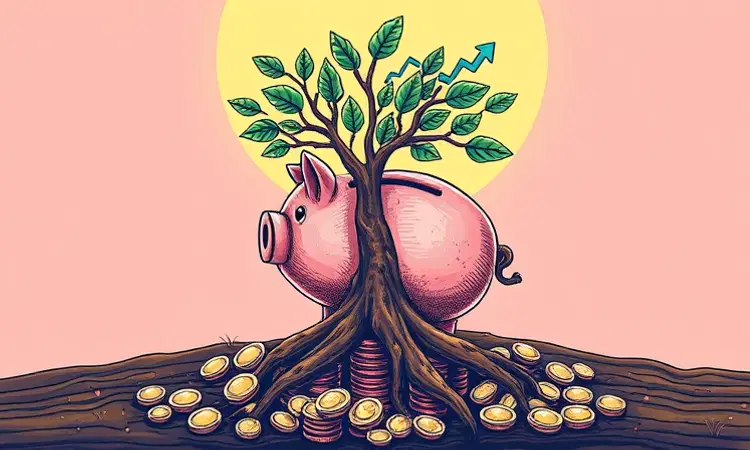
Balancing safety and growth is a cornerstone of any strong financial strategy. By understanding when to save and when to invest, you can protect your short-term needs while positioning yourself for long-term financial success.
In the United States, different protections, tax rules, and account structures apply to bank deposits versus market investments. Recognizing these distinctions helps you tailor a plan that makes your money work harder without exposing you to undue risk.
Why Savings and Investments Serve Different Purposes
Savings and investments may both grow your money, but they meet distinct financial goals. When you save, your priority is preserving capital and ensuring quick access. When you invest, your focus shifts to potential growth over time—accepting that values can fluctuate.
Attempting to use only one approach for all goals can leave you exposed. Holding all your funds in cash subjects you to inflation eroding your future purchasing power. Conversely, placing your emergency reserves in volatile assets could force you to sell at a loss when you need funds unexpectedly.
Protecting Your Present: Building a Robust Savings Foundation
Before you start chasing high returns, establish a savings framework that covers immediate and short-term needs. Financial experts usually recommend:
- An initial cash buffer for unplanned bills and everyday emergencies
- An emergency fund of three to six months of essential expenses
- Separate savings for known short-term goals, like a down payment or tuition
These layers ensure you never have to liquidate investments at an inopportune time. U.S. bank deposits are generally insured by the FDIC up to $250,000 per depositor, per bank, per ownership category—providing peace of mind for your cash reserves.
Fueling Future Growth: The Power of Investing
Money set aside for goals more than three to five years away can often be put to work in markets. Investments offer:
- Capital appreciation as asset values rise over time
- Dividend income distributed by stable companies
- Fixed interest from bonds and other income instruments
- Reinvestment opportunities that amplify compounding effects
Over decades, these components can produce substantial wealth accumulation. Yet markets ebb and flow. Staying the course during downturns and rebalance your portfolio when needed are keys to long-term success.
The Invisible Drain: Understanding Inflation Risk
Inflation steadily erodes the purchasing power of money held in low-yield accounts. Consider that as of September 2026, the U.S. national average savings rate was about 0.37% APY, while inflation hovered near 3%. Your real return in a typical account could be a negative 2.63% before taxes.
By contrast, a top high-yield savings product offering 4.50% APY would yield about $450 on a $10,000 deposit in a year, versus only $37 at the average rate. However, such rates are often variable, require minimum balances, and may change without notice.
This comparison highlights why a well-rounded plan uses savings for certainty and investments for growth, balancing short-term stability with long-term opportunity.
Crafting Your Financial Roadmap: Practical Steps
To translate theory into action, follow a clear sequence:
- Cover basic living expenses and build an initial cash cushion
- Pay down high-interest debt that outpaces potential investment returns
- Maximize any employer match in retirement plans
- Fully fund your emergency reserve of three to six months’ costs
- Invest consistently in diversified portfolios for long-term goals
- Adjust contributions upward as income and confidence grow
This roadmap helps you avoid common pitfalls such as under-saving for emergencies or delaying investing until all debts are gone.
The Magic of Compounding: Let Time Work for You
Compounding occurs when your returns generate further returns. Even modest rates can produce impressive outcomes given time. For example, contributing $300 per month over 30 years at an average 7% annual return could turn $108,000 in contributions into approximately $365,000—an increase of $257,000 from investment growth alone.
Real markets vary, and returns aren’t guaranteed; however, starting early and remaining consistent harnesses the full power of compounding, often outperforming attempts to time market highs and lows.
Finding the Right Balance: Avoiding Common Pitfalls
While investing everything might seem ideal, keep an emergency fund to avoid selling in a downturn. Conversely, holding all your money in cash makes it hard to outpace inflation over the long haul.
Instead, follow a balanced approach:
Create a safety net of liquid cash.
Then, systematically allocate additional savings into investments aligned with your risk tolerance and time horizon.
This strategy lets you navigate market volatility with confidence and seize growth opportunities without compromising short-term security.
Conclusion
Moving from pure saving to a blend of saving and investing is a transformative step in any financial journey. By safeguarding your present with a solid emergency fund and directing surplus resources toward long-term growth, you empower yourself to achieve financial resilience and build wealth over time.
Take action today: review your emergency fund, explore competitive savings rates, and begin investing incrementally. With a deliberate plan and patience, you’ll unlock the full potential of your money and secure a brighter financial future.