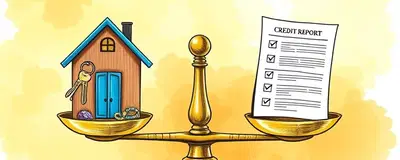
Taking out a personal loan is more than just securing a low monthly payment. It’s a commitment that can shape your financial future. This guide empowers you to ask the right questions, compare lenders fairly, and avoid surprises.
1. Confirm That a Personal Loan Is the Right Tool
Before you even begin to shop rates, pause and evaluate the reason for borrowing. A personal loan can serve many purposes—debt consolidation, home improvements, medical bills, or emergency costs—but it isn’t always the best choice.
Ask yourself:
- Is the expense truly necessary, or can it wait?
- Could savings cover it without draining my emergency cushion?
- Is the loan cheaper than the debt it will replace?
- Would an alternative—like a balance-transfer card or HELOC—be more suitable?
- Am I borrowing to cover a chronic budget shortfall?
When consolidating debt, be wary: a lower payment may simply extend the term. Compare the total repayment of existing debts—including interest and fees—with the new loan’s all-in cost.
2. Calculate an Affordable Payment
Even a tempting interest rate can become unmanageable if payments strain your budget. To test affordability, build a detailed household budget that includes:
- Housing, utilities, and food
- Transportation, insurance, and taxes
- Childcare and medical costs
- Subscriptions, savings, and current debt payments
- The proposed loan installment
Next, stress-test your plan against adverse financial scenarios—a job loss, reduced hours, unexpected repairs or medical emergencies. If the payment leaves no room for disruptions, consider adjusting the amount or term.
Understanding your debt-to-income ratio (DTI) is crucial. Lenders calculate it by dividing monthly debt payments by gross income. For example, \$1,500 of debt on a \$5,000 income yields a 30% DTI. But just because a lender approves you doesn’t mean you’ll feel comfortable carrying that debt.
3. Check Credit Before Applying
Reviewing your credit report is one of the most impactful steps you can take to secure better rates. Pull your reports from the three major bureaus and inspect them for inaccuracies:
- Incorrect late payments or duplicate accounts
- Accounts that don’t belong to you
- Wrong balances or credit limits
- Open accounts reported as closed
- Identity-theft indicators or wrong personal details
Correcting errors can improve your score—and your loan offers. Also, know the difference between a soft credit inquiry (used for prequalification) and a hard credit inquiry (recorded on your report when you formally apply), which may affect your score.
4. Compare Lenders Using the Same Loan Scenario
To compare apples to apples, request quotes for identical loan amounts, terms, and applicant details. Sources can include:
- Banks, credit unions, and online lenders
- Loan marketplaces—confirm which company originates and services the loan
- Your existing financial institutions
Gather at least three offers, and record critical details in a comparison worksheet:
5. Understand APR Versus Interest Rate
Lenders often advertise an attractive interest rate, but the APR may be higher once fees are included. Always compare APR to APR to see the full annualized cost. Yet APR alone doesn’t tell the complete story—you should also examine:
- Each fee’s dollar amount
- Whether fees are financed or deducted upfront
- Total of payments and timing of fees
- Whether the rate is fixed or variable
- Optional products added to the balance
Example: A \$10,000 loan with a 5% origination fee means you receive \$9,500 but repay on the full \$10,000. Ask lenders for:
- Annual Percentage Rate
- Nominal interest rate
- Origination fee (percent and dollar)
- Amount financed versus net proceeds
- Monthly payment schedule
- Total number of payments and total repayment amount
6. Evaluate the Loan Term
The term you choose can significantly affect both monthly affordability and total interest paid. In general:
Shorter-term loans mean shorter term higher payments and lower total interest. Longer-term loans offer lower installments but higher interest over time.
Illustration for a \$10,000 fixed-rate loan at 12%:
7. Review the Contract Details Before Signing
Before you commit, read the fine print. Ensure you understand prepayment penalties, late fees, payment grace periods, and any conditions tied to promotional rates or balance transfers. Confirm how payments are applied—especially if there are multiple balance segments or promotional balances.
Check the lender’s legitimacy by verifying its registration, reading customer reviews, and confirming membership in professional associations. A reputable lender will be transparent about all costs and terms.
Conclusion
Signing a personal loan agreement without doing your homework can lead to unexpected costs and stress. By following this comprehensive checklist—
you’ll be equipped to choose the right loan, negotiate favorable terms, and maintain your financial well-being. Remember: a personal loan is a contract. Treat it with the diligence it deserves.