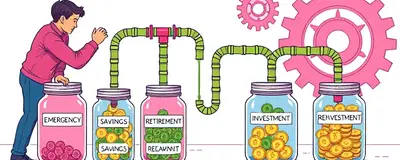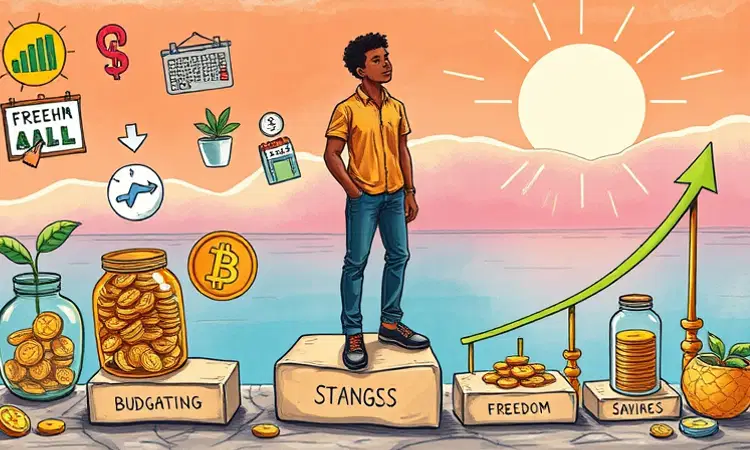
Moving beyond monthly stress to lasting abundance requires more than earning more; it demands a clear path from income to choice. This guide lights the way.
Every journey begins with understanding where you stand. With practical steps and real data, you can reclaim control of your money and build true resilience.
Stage 1: See Your Financial Reality
Too many people live paycheck to paycheck because they lack a clear picture of their cash flow. The first step is to replace anxiety with information. Track every dollar coming in and out, categorize expenses, and calculate your net worth.
Use a simple equation to find your surplus or deficit each month:
Take-home income – total spending = monthly surplus or deficit
Then determine your net worth:
Net worth = assets – liabilities
Assets might include bank balances, retirement accounts, and home equity. Liabilities cover credit cards, student loans, and mortgages. Having these numbers at your fingertips transforms vague worry into focused action.
Stage 2: Build a Spending System
Budgeting isn’t punishment. It’s a decision-making framework that aligns your money with your priorities. Choose a method that fits your style and stick with it consistently.
- Zero-based budgeting
- Pay-yourself-first budgeting
- Percentage-based budgeting
- Weekly cash-flow planning
- Separate accounts for bills, spending, and savings
Within your system, follow a general spending hierarchy:
This framework positions every dollar with a purpose, ensuring necessities and goals come before fleeting pleasures. Adjust as needed—those with urgent medical bills or eviction risk may reorder to secure immediate stability.
Stage 3: Create a Starter Emergency Fund
Building resilience means preparing for the unexpected. A small buffer of cash reduces stress and stops reliance on high-cost credit.
Statistics show only 63% of adults could cover a $400 shock without borrowing, and just 55% have three months’ expenses saved. Even a small reserve delivers immediate financial protection and peace of mind.
Keep these funds separate from daily spending, in a low-risk, accessible account. Treat sinking funds (planned costs like car repairs) differently from your true emergency reserve.
Stage 4: Manage Debt Strategically
Debt is both a tool and a risk. Analyze each balance by interest rate, fees, and payment terms. Then choose a repayment strategy that matches your motivation and goals.
- Debt avalanche: Pay minimums on all debts and attack the highest interest rate first to minimize total interest.
- Debt snowball: Pay minimums on all debts and focus extra money on the smallest balance first to build fast wins.
Neither method succeeds if new debt accumulates. Combine your repayment plan with your budget system to prevent revolving balances from growing. For many, eliminating high-interest credit-card debt unlocks transformational financial momentum.
Stage 5: Invest for Long-Term Prosperity
Once debt declines and emergency savings automate, channel extra cash into investments. Whether through employer-sponsored retirement plans or personal brokerage accounts, consistency matters more than timing.
Follow these principles:
- Max out any employer match first
- Diversify across stocks, bonds, and other assets
- Automate contributions quarterly or monthly
- Rebalance annually to maintain risk levels
Research finds that only 35% of non-retired Americans felt on track in 2025. What separates them is steady, disciplined investing over years, not sudden windfalls or market timing.
Maintaining Momentum and Freedom
Financial transformation is a progression from surviving to thriving. As you grow, regularly revisit your cash-flow statement, adjust your budget, and track progress toward goals like homeownership, education, or entrepreneurship.
Celebrate milestones:
- Paying off your first credit card
- Reaching a three-month emergency fund
- Automating 10% of income to retirement
- Investments surpassing six-figure value
Prosperity isn’t a high income; it’s the freedom to make choices without stress. By assigning purpose to each paycheck, you build resilience, create momentum, and unlock real freedom. This roadmap—from honest assessment to disciplined investing—turns your paycheck into a source of long-term choices and fulfillment.