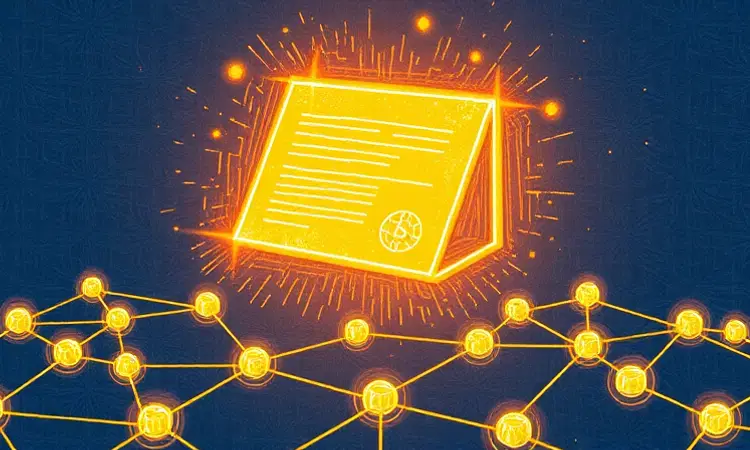
In an era where trust and efficiency are paramount, smart contracts emerge as powerful tools to streamline and secure digital agreements. By embedding rules directly into code and deploying them on a blockchain, these self-executing programs promise to revolutionize how we transact, collaborate, and enforce obligations without excessive intermediaries.
Understanding Smart Contracts
A smart contract is not a legal document in the traditional sense but rather a computer program that lives on a blockchain network. It consists of three core components:
- Code defining rules and functions
- Data or state stored on-chain
- An on-chain address for interaction
On platforms like Ethereum, smart contracts act like special accounts controlled by their programmed logic rather than private keys. Users trigger specified functions by sending transactions. When a predefined condition is met, the contract automatically performs a specified action, such as transferring digital assets or releasing payments.
The Lifecycle of a Smart Contract
From ideation to execution, a smart contract undergoes several stages that ensure reliable, transparent operation:
1. Writing the Code
Developers author contract logic using blockchain-compatible languages—Solidity for Ethereum being the most popular. Typical components include:
- Function definitions and conditions
- Role-based permissions and error handling
- Event emission for on-chain notifications
2. Compilation and Deployment
Once the source is complete, it compiles into bytecode executable by the blockchain’s virtual machine. Deployment occurs via a transaction that pays network fees—commonly called gas on Ethereum. Upon successful validation, the contract receives a unique address, ready to interact with users or other contracts.
3. Interaction and Consensus
Users invoke contract functions by broadcasting transactions. Validators execute the code, update state, and record outcomes in blocks. This transparent and auditable process ensures deterministic results—under the same conditions, the same outcome always occurs. Any failure, whether from insufficient gas or unmet conditions, reverts the state, protecting assets from unintended changes.
Key Features and Characteristics
Smart contracts bring together several defining traits that distinguish them from traditional agreements:
Additional characteristics include composability—contracts calling other contracts like modular APIs—and irreversibility, which underscores the need for rigorous testing and careful design.
Comparing Smart Contracts to Traditional Agreements
While traditional contracts rely on legal texts, human judgment, and intermediaries, smart contracts encode operational obligations directly into software. Consider key differences:
- No manual approval needed once conditions are met
- Execution by blockchain software versus human enforcement
- Public audit trails instead of private record-keeping
However, they are not replacements for all agreements. Smart contracts excel at specific operational obligations—for example, automated payments, conditional transfers, or trustless exchanges—where clear rules can be expressed in code.
Use Cases: Transformative Applications
Smart contracts underpin a diverse array of blockchain innovations. Among the most impactful:
- Decentralized finance (DeFi): lending, borrowing, automated market makers, and yield farming
- Payments and escrow: milestone-based payments, freelance agreements, and digital commerce
- Digital identity and ownership: non-fungible tokens (NFTs) and verifiable credentials
For instance, a DeFi lending contract can accept collateral, calculate interest, trigger automatic liquidations, and distribute rewards—all without human oversight. This level of automation reduces processing time and administrative burdens.
Risks and Best Practices
Despite their promise, smart contracts introduce new challenges:
- Code vulnerabilities: bugs can lead to fund loss or exploits
- Oracle risks: reliance on external data feeds may be compromised
- Governance pitfalls: centralized administrative keys can undermine decentralization
Adhering to best practices is crucial. These include comprehensive auditing, adopting upgradeable patterns with caution, engaging in open testing, and incorporating pause or emergency mechanisms. Thorough security measures protect assets and maintain trust in the ecosystem.
The Future Outlook
As blockchain technology matures, smart contracts will evolve to address current limitations. Innovations in formal verification will strengthen code reliability, while layered solutions may reduce transaction costs and improve scalability. Cross-chain interoperability will enable contracts to communicate across different networks, fostering broader collaboration.
Ultimately, the enduring value of smart contracts lies in their ability to create trust-minimized, automated frameworks for digital interactions. By thoughtfully combining robust code with reliable data and sound design principles, we pave the way for a future where agreements execute seamlessly, securely, and transparently.