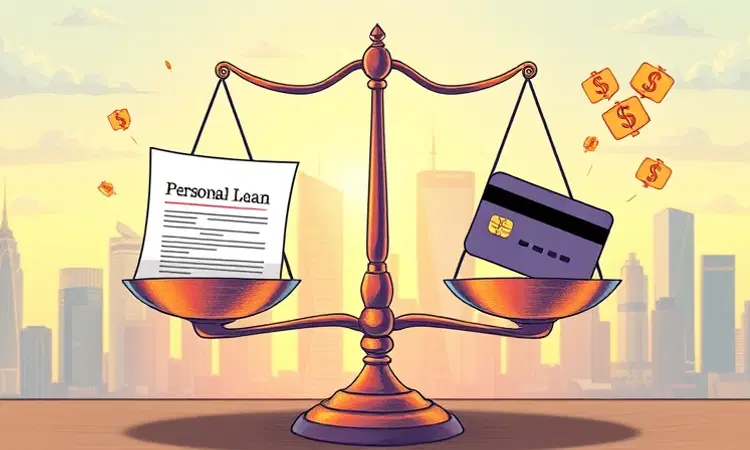
Choosing the best way to borrow money can be a daunting decision. Whether you’re planning a major expense, consolidating debt, or simply balancing everyday purchases, understanding the differences between a personal loan and a credit card is critical. Each option comes with its own costs, flexibility, and repayment structure.
This detailed guide will walk you through the core features, typical rates, fees, and real-world examples to help you make an informed choice. By the end, you’ll gain practical insights on how to match your borrowing needs with the right financial product.
Understanding the Two Credit Options
A personal loan is an installment loan that gives you a lump sum upfront, repaid over fixed payments during a set term. In contrast, a credit card provides revolving credit, allowing you to borrow up to a limit multiple times as you make payments.
- Specific lump sum of cash repaid over months or years
- Reusable line of credit that renews as you pay down balances
With a personal loan, you know exactly how much you borrow, the interest rate you’ll pay, and the date you’ll finish repaying. A credit card’s variable rate and minimum payment structure can offer more short-term flexibility but may introduce unpredictability in interest charges.
Comparing Rates and Terms
Interest rates on these products vary widely based on credit score, lender policies, and market conditions. As of September 2026, average credit-card APRs range between 19.56% and 22%, though promotional cards with 0% introductory APRs are available for a limited time.
By contrast, a typical two-year personal loan has an average APR of 11.86%, according to Federal Reserve G.19 data. Longer terms or lower credit scores can push personal-loan rates anywhere from 6% to 36% APR. Keep in mind that advertised “starting” rates often apply only to the most qualified borrowers.
A key distinction is rate structure:
• Personal loans usually feature a fixed APR, locking in your rate for the life of the loan.
• Credit cards generally carry a variable APR tied to the prime rate, which can rise or fall over time.
While comparing advertised APRs is a useful starting point, remember to include any mandatory fees when evaluating the total cost of borrowing.
When to Choose a Personal Loan
If you need a well-defined amount for a one-time purpose, a personal loan can be a lending tool that adds clarity and predictability to your finances. These loans are ideal for planned expenses and long-term budgeting.
- Planned, large one-time expense such as home improvement
- Debt consolidation for high-rate balances to streamline payments
- Fixed repayment schedule and payoff that ends on a known date
- Stable monthly payment schedule to support budgeting
Amortization schedules ensure each payment reduces your principal balance, fostering a clear path to debt freedom. You’ll also avoid the temptation to borrow more once the loan is in place, since you receive your funds in a single lump sum.
When to Choose a Credit Card
A credit card may be the tool of choice when flexibility and short-term borrowing align with your spending habits. If you can pay off the balance before interest accrues, a credit card can be a cost-effective option.
- Short-term purchase needs covered within a billing cycle
- Desire for cash back and rewards on everyday spending
- Genuine 0% introductory purchase APR used responsibly
- Ongoing access to funds for emergencies or unplanned costs
However, carrying a balance beyond a grace period typically invites high variable rates and daily interest calculations. Be wary of promotional offers that impose deferred interest if you don’t fully repay the charge by a certain date.
Numerical Example: $10,000 Borrowed for Two Years
To illustrate the cost difference, consider borrowing $10,000 for a 24-month term under two scenarios:
Under these assumptions, the personal loan lowers your monthly payment by about $50 and saves roughly $1,187 in interest over two years. Of course, actual rates and fees vary by lender and borrower profile, so use personalized quotes for precise comparisons.
Considering All Costs and Fees
Total cost of borrowing extends beyond APR. Personal loans may include an origination fee, often 1% to 10% of the principal, which can be deducted from your disbursement. Additional charges might cover late payments, returned payments, or optional insurance add-ons.
Credit cards may impose annual fees, balance-transfer fees, cash-advance fees, foreign-transaction fees, and penalty APRs. A typical balance-transfer offer could carry a 3% to 5% fee, which may offset interest savings during a promotional period.
When comparing a 10% APR personal loan with a 5% origination fee to a credit card offer, calculate the effective cost by adding all mandatory fees to your projected interest payments.
Planning for Repayment Success
Before you borrow, distinguish between monthly affordability and total cost. A low minimum payment can mask years of accruing interest on a credit card. Conversely, a longer personal-loan term may reduce your payment but increase overall interest charges.
Follow these best practices to manage either product effectively:
• Review your credit score and shop competitive offers.
• Read all disclosures on fees and rate changes.
• Create a repayment plan aligned with your budget.
• Consider automated payments to avoid late fees and penalty APRs.
By proactively tracking balances and deadlines, you can avoid unnecessary fees and keep your debt on a sustainable path.
Making the Decision that Fits Your Goals
No single borrowing solution is perfect for every situation. Your personal history, credit strength, cash-flow stability, and long-term goals should guide the choice. A personal loan can provide discipline and predictability for sizeable, planned expenses.
A credit card offers flexible access and rewards, suited to well-timed repayment and smaller purchases. Ultimately, aligning the product’s structure with your repayment ability ensures you control the cost and duration of your credit.
As you weigh your options, consider consulting a financial advisor or using online calculators to project your payments and interest under varied rate scenarios. With the right preparation and mindset, you can make confident borrowing decisions that empower your financial future.