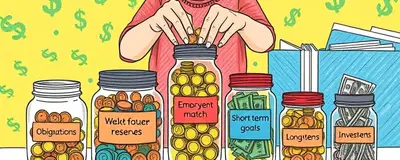
Retirement no longer means a single endpoint at age 65—it’s a multi-decade financial, health, housing and lifestyle transition. Today’s retirees must answer four critical questions to secure a fulfilling future: How much will I need? Where will income come from? How will I manage risks? What kind of life do I want to support?
By reframing retirement as a series of phases, individuals can craft a plan that adapts to changing needs, priorities and market conditions over 20 to 30 years of post–career living.
Rethinking the Finish Line
Traditional retirement planning assumes a clean break from work. Instead, view retirement as a continuum of opportunities: phased retirement, part-time consulting, caregiving roles or entrepreneurship. Blending income and purpose can extend financial security and personal fulfillment.
Americans express deep concerns about inflation, healthcare costs, outliving savings and market downturns. Nearly 37% work with a financial adviser, yet many lack a clear blueprint for converting assets into a sustainable income stream. The key is combining self-reflection with practical cash-flow modeling.
Determining Your Financial Needs
Estimating retirement needs goes beyond a simple “magic number.” Instead of focusing on net worth targets, treat retirement readiness as a cash-flow problem. Begin by projecting three categories of spending:
- Essential: housing, food, utilities, insurance, healthcare, taxes and debt payments
- Discretionary: travel, hobbies, dining out, entertainment and gifts
- Contingency: home repairs, family support, major medical expenses and emergencies
Calculate each category under optimistic, moderate and conservative scenarios. A useful rule of thumb is aiming for 70%–80% of pre-retirement income, but individual factors—health, location, lifestyle goals—can push that figure higher or lower.
Building a Diverse Income Foundation
Retirement income typically arises from multiple pillars. Relying on a single source invites risk. A diversified retirement plan often includes:
Social Security: Provides an inflation-linked base but requires strategic claiming. Delaying benefits boosts monthly income, while early claiming offers immediate cash flow. Decisions depend on health, marital status and income needs.
Employer Pensions: Defined-benefit plans can be a reliable lifetime stream. Compare lump-sum options, survivor benefits and cost-of-living adjustments. Confirm the plan’s funding status and guarantee provisions.
Workplace Retirement Plans: 401(k), 403(b) and similar accounts offer tax advantages and employer matches. Prioritize capturing the full match, manage fees, choose appropriate asset allocations and update beneficiary designations.
IRAs & Taxable Accounts: Traditional IRAs defer taxes until withdrawal; Roth accounts offer tax-free growth. Taxable brokerage accounts add flexibility for early retirement years. A mix provides withdrawal options across tax brackets.
Annuities: Can convert savings into guaranteed income, addressing longevity risk. Evaluate fees, inflation riders, liquidity limits and surrender charges. Annuities are one possible tool, not a universal solution.
Part-Time Work & Entrepreneurship: Consulting, freelancing or seasonal jobs can delay portfolio withdrawals, sustain purpose and supplement income. Consider effects on taxes, Social Security eligibility and time for leisure or caregiving.
Addressing Major Retirement Risks
Four threats can derail even the best-laid plans:
- Inflation Risk: Erodes purchasing power over decades. Strategies include inflation-linked bonds, Social Security cost-of-living adjustments and maintaining growth exposure.
- Longevity Risk: Outliving assets. Plan to age 90 or beyond by testing withdrawal rates under extended lifespans, considering lifetime income products and flexible spending rules.
- Sequence-of-Returns Risk: Early market declines can cause lasting damage if withdrawals deplete assets. Maintain a cash reserve, match near-term expenses with stable investments and coordinate withdrawals across account types.
Stress-test your plan under various market and longevity scenarios. Adjust asset allocations, withdrawal rates and spending plans to reinforce resilience.
Designing a Fulfilling Post-Career Life
Retirement should support personal goals beyond finances. Consider:
- Phased Retirement: Gradually reduce hours, mentor successors or consult in your field.
- Relocation: Explore areas with lower living costs, favorable tax treatment or proximity to family.
- Lifelong Learning: Enroll in classes, workshops or community programs to stay mentally engaged.
- Relationships & Purpose: Volunteer, join clubs or pursue creative passions to maintain social bonds and a sense of meaning.
Crafting a lifestyle vision clarifies spending priorities and informs financial planning.
Next Steps and Practical Tips
Begin by gathering data: current savings, projected Social Security benefits, pension statements and income forecasts. Use online calculators or work with a financial planner to model cash flows through different retirement phases.
Review and adjust your plan annually. Life events—job changes, health developments, market shifts—necessitate course corrections. Prioritize regular savings, claim employer matches, and maintain an emergency reserve to weather downturns.
Most importantly, view retirement as an evolving journey. By answering the four key questions—how much you’ll need, where income will come from, how you’ll manage risks and what life you aspire to—you can build a robust framework for decades of financial security and personal fulfillment.