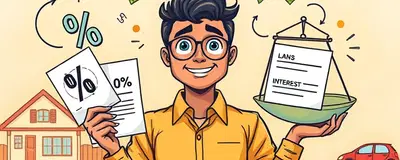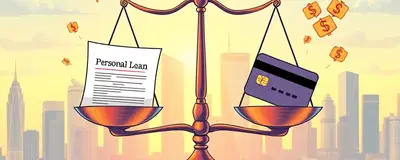
Accomplishing major life goals often requires resources beyond what savings alone can provide. Whether it’s purchasing your first home, investing in education, or driving a reliable vehicle to work, a loan can bridge the gap between aspiration and reality. However, borrowing carries its own responsibilities and risks. Understanding when and how to borrow wisely ensures that borrowing becomes a powerful tool rather than a burdensome obligation.
Why Borrowing Matters
Borrowing has become deeply integrated into how households finance long-term ambitions. U.S. households held approximately $18.776 trillion in total debt at the end of the fourth quarter of 2025. This reflects the collective choices Americans make to fund homes, education, transportation, and other significant expenses.
This extensive use of credit highlights the importance of treating loans as deliberate financial decisions rather than quick fixes. Every borrowing choice comes with long-term financial obligations and costs that extend far beyond the initial disbursement.
Understanding Loan Types
Not all loans are created equal. Each major loan category aligns with specific milestones and carries unique terms, rates, and collateral requirements. Choosing the right type involves matching your goal with the loan’s structure and associated risks.
- Mortgage loans: Used for home purchases, secured by the property, with terms often spanning decades and additional costs like taxes and insurance.
- Auto loans: Finance vehicles with collateral, balancing purchase price, rate, and loan term against depreciation and insurance expenses.
- Student loans: Fund education and living expenses, offering federal protections or private alternatives with varied rates and repayment plans.
- Personal installment loans: Unsecured borrowing for home improvement, medical bills, weddings, or debt consolidation, featuring fixed payments and predictable schedules.
- Home equity products: Include home equity loans and HELOCs, leveraging property equity for potentially lower rates but exposing the home to risk.
- Credit cards: Flexible short-term credit with high rates if not paid off, suitable for smaller or urgent expenses.
Evaluating these options with key factors like income and credit profile in mind helps you find the loan that aligns with your needs and repayment capacity.
Balancing Benefits and Risks
Loans can turn distant dreams into immediate possibilities. Buying a home builds equity and offers stability, student loans can unlock career paths, and auto loans may enable employment access. Yet, these advantages come with trade-offs. Interest can substantially increase the total cost of the loan, and missed payments can damage credit or lead to repossession or foreclosure.
Assess the real cost of borrowing by considering the principal, interest, fees, and risk inherent in each loan. Understand the full picture beyond the monthly statement: maintenance, insurance, taxes, and other carrying costs often accompany collateralized loans like mortgages or auto loans.
Additionally, market fluctuations can complicate matters. A fixed-rate mortgage offers predictable payments, but property values can decline. Variable-rate HELOCs may start with low introductory rates before rising, altering your payment obligations. Planning for these scenarios is crucial to maintaining financial stability.
How to Choose Wisely
Selecting the right loan involves careful comparison and disciplined planning. Before signing any agreement, follow a clear process to ensure the borrowing decision fits your overall financial goals.
- Calculate total borrowing needs, including ancillary costs like closing fees or application charges.
- Obtain prequalified or preapproved offers to understand available interest rates.
- Compare APRs and total repayment costs across multiple lenders.
- Ensure the monthly payment fits comfortably within the budget, leaving room for emergencies.
- Review potential repayment options, including deferment, refinancing, or early payoff penalties.
- Read all disclosures to understand adjustable rates or unexpected fees.
Consult financial advisors or use online calculators to model different scenarios. A clear, written budget helps visualize how the loan integrates with your broader financial plan and household expenses.
Real-World Scenarios
Consider these examples of how loans can support milestones with varying outcomes:
- First-time homebuyer: Secures a 30-year fixed mortgage with 20% down. Predictable payments allow building equity, but property taxes and maintenance require additional budgeting.
- Graduate student: Combines federal and private student loans to cover tuition and living costs. Income-driven repayment options offer flexibility but can extend debt into early career stages.
- New entrepreneur: Uses a personal installment loan for startup costs. Fixed payments support cash-flow planning, though higher APRs demand aggressive repayment strategies.
Each path illustrates the importance of aligning loan terms with personal circumstances and future earning potential. A well-chosen loan can accelerate progress, while a mismatched one can strain finances.
Ultimately, borrowing is not inherently good or bad—it is a financial mechanism to be used with intention. By weighing the loan’s cost, repayment period, and safe payment amount, you can transform aspirations into accomplishments without compromising long-term security.
Approach each borrowing decision with clarity, discipline, and a willingness to ask tough questions. This critical mindset will help ensure that when loans fund life’s milestones, they become milestones on the path to lasting prosperity rather than detours into debt.