In the fast-growing personal loan market, which reached $277 billion in unsecured balances in Q1 2026, responsible borrowing has never been more important. With 26.4 million consumers holding 32.6 million unsecured personal loans and an average debt of $11,768 per borrower, the stakes are high. Whether you need an emergency fund, debt consolidation, or planned purchase financing, a loan is ethical only if both sides uphold their obligations.
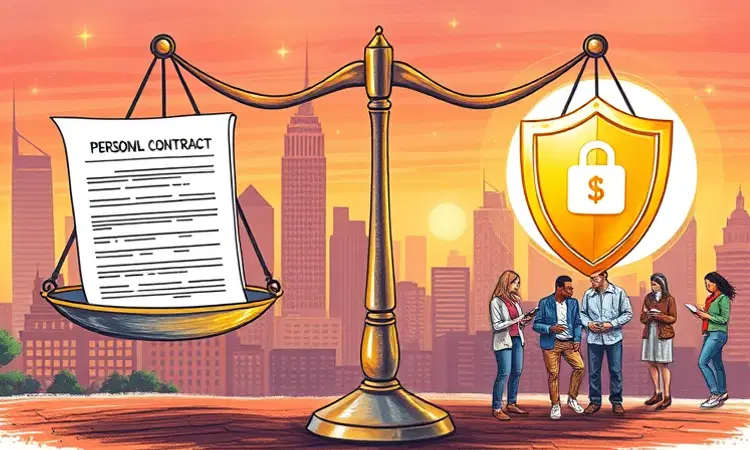
Responsible borrowing is a two-sided ethical relationship. Borrowers must assess affordability, provide accurate information, and understand total costs. Lenders and brokers must offer transparent terms and fair treatment, avoid deceptive practices, and protect consumer data. Together, these practices ensure loans serve as tools of empowerment rather than traps.
Defining Personal Loans and Ethical Borrowing
A personal loan is a fixed amount borrowed from banks, credit unions, finance companies, or online lenders, repaid in installments over a set term. Many are unsecured, meaning no collateral is required. But “personal loan” can encompass several products:
- Unsecured installment loans
- Secured personal loans
- Debt-consolidation loans
- Small-dollar loans and payday loans
- Online personal loans and credit-union loans
Responsible borrowing involves taking on debt only when the purpose is clear, the repayment schedule matches your budget, and you’ve considered alternatives. Borrowers must not misrepresent finances, must plan for foreseeable changes, and avoid unreasonable default risk.
Loan ethics extends beyond legal compliance. An ethical loan is transparent, fair, voluntary, non-discriminatory, and free from deception. Both borrower and lender should understand obligations fully before a signature is applied.
The Full Cost of a Personal Loan
Interest rate alone rarely tells the full story. Instead, focus on the annual percentage rate (APR), which includes interest and mandatory charges. To compare offers accurately, ask about:
- Origination and documentation fees
- Late fees and prepayment penalties
- Optional credit or disability insurance
- Variable versus fixed rates
- Timing of first payment and grace periods
Below is an illustrative example to highlight hidden costs. Figures vary by lender, timing, compounding, and fees.
If a 5% origination fee is deducted, you may receive only $9,500 while still repaying based on $10,000, making the effective cost higher than advertised.
Practical Affordability Framework
No single debt-to-income ratio fits everyone. Yet, a realistic household budget test must include all obligations:
- Housing payments, credit-card minimums, student and auto loans
- Child support, alimony, buy-now-pay-later plans
- Proposed personal-loan payment
Calculate: debt-to-income = (monthly debt payments ÷ gross monthly income) × 100. Then subtract essential expenses—taxes, utilities, food, insurance, transportation, healthcare, childcare, annual irregular costs, and emergency savings contributions—from your income. Leave room for routine surprises: medical bills, repairs, or income dips.
Before You Apply: Borrower Checklist
Before signing, ensure you have a clear repayment roadmap:
- Identify the loan purpose: essential repairs, medical or educational costs, careful debt consolidation, or planned purchases
- Review income stability: job security, seasonal cycles, upcoming life changes, and ability to withstand a modest pay cut
- Build a repayment plan: payment dates, funding sources, number of payments, payoff date, consequences of missed payments, and a backup hardship strategy
Use this checklist to distinguish reasonable borrowing from impulsive or risky financial behavior. Loans for nonessential consumption, gambling, or repeatedly covering living expenses often carry higher long-term costs.
Shopping Ethically and Safely
Compare at least three legitimate providers—banks, credit unions, reputable online lenders, employer-based programs, and community financial institutions. Match the same loan amount and term. A lower monthly payment may hide a longer term and higher total interest.
Verify the lender or broker is licensed or registered. Check with state regulators or the FTC to confirm legitimacy. Ethical lenders will welcome questions and provide clear answers without pressure.
Warning Signs of Predatory Lending and Scams
Distinguish predatory lending from outright scams. Predatory lenders structure real loans to be confusing, unaffordable, or exploitative. Scammers aim to steal money or personal data.
- Guaranteed approval regardless of credit history
- Unsolicited communications urging immediate action
- Requests for upfront fees before disbursement
- Vague terms and hidden charges
If you encounter these red flags, walk away. Report suspicious practices to state authorities or the Consumer Financial Protection Bureau to protect yourself and others.
By embracing informed decision-making and transparent practices, both borrowers and lenders can foster a marketplace built on trust and fairness. Personal loans can empower life’s milestones—medical treatment, home improvements, education, or debt consolidation—but only when undertaken with respect for ethical obligations. With knowledge, planning, and vigilance, you can secure financing that supports your goals without compromising your financial health.