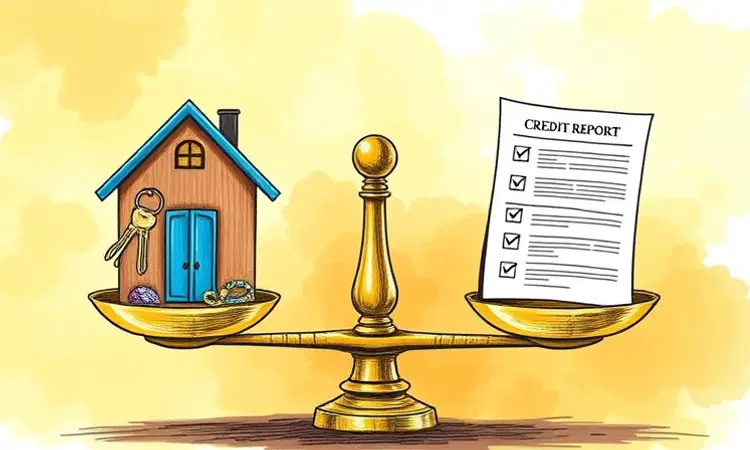
Imagine you need funds to renovate your home, cover medical bills, or consolidate high-interest debt. Choosing between financing options can feel overwhelming. At the heart of this decision lies a fundamental question: should you offer collateral to secure better terms, or trust your credit profile and accept higher costs?
In this guide, we’ll explore how secured personal loans and unsecured personal loans differ, unveil their pros and cons, and equip you with the insights to decide confidently based on your unique goals.
Defining Personal Loans
A personal loan is typically an installment loan with fixed payments. Lenders provide a lump sum upfront, and borrowers repay the amount through scheduled monthly payments that include principal and interest. Terms usually range from one to seven years, offering predictability and flexibility.
- Debt consolidation
- Home improvement
- Medical expenses
- Major purchases or emergencies
- Weddings and moving costs
Personal loans may carry fixed interest rates, making budget planning straightforward. While most personal loans are unsecured, options secured by collateral exist for borrowers seeking more favorable terms.
Secured Personal Loans
A secured personal loan requires collateral—an asset the lender can claim if you default. This lien places your property at risk but allows lenders to offer better terms.
- A vehicle
- A savings or investment account
- A certificate of deposit
- Valuable items like jewelry
- Real estate in some cases
The process begins when you offer an asset as collateral. The lender verifies its value and eligibility, then sets your loan’s amount, rate, and term. You receive funds, and the lender retains a legal claim to your property until you repay the loan. If you default, the asset may be seized or sold under agreed terms.
Benefits of secured loans include:
- Often lower interest rates and larger amounts
- Easier approval for applicants with weaker credit
- Possibility of longer repayment terms
However, secured loans carry important drawbacks. You risk losing the pledged asset if you miss payments. Collateral may be frozen or restricted, limiting your access until the debt is cleared. Additional documentation—such as appraisals, account statements, and insurance records—can complicate and prolong approval. A valuable asset does not automatically guarantee a large loan, and default still damages credit.
Unsecured Personal Loans
An unsecured personal loan does not involve collateral. Instead, lenders base decisions on your credit score, income, employment history, and debt-to-income ratio. Sometimes called signature loans, they rest on your promise to repay the loan.
After you apply, the lender evaluates your financial profile and assigns an interest rate and term. If approved, you receive funds without pledging specific property. Defaulting still carries serious consequences: missed payments can damage your credit, lead to collections, and even result in legal action.
Unsecured loans offer clear benefits. There is no specific asset is pledged, so you avoid repossession risks. Applications tend to be simpler and funding faster, with broad flexibility in how you use the funds. Yet these perks come at the cost of higher interest rate and fees, stricter credit requirements, and often lower borrowing limits.
Understanding Rates, Terms, and Fees
Secured loans often start near a range from approximately 6% to 36% APR for borrowers with strong collateral, while unsecured rates reflect the lender’s greater risk. According to Experian, lenders quoting for personal loans set rates within these bounds as of mid-2026. The lowest rates target applicants with pristine credit, stable income, and adequate collateral. By comparison, average unsecured rates hovered around 12% to 18% APR for similar terms.
Origination fees further shape your cost. These fees typically range from 1% to 10% of the loan amount. For example, a $10,000 loan with a 5% fee means you receive $9,500 but owe interest on the full $10,000 principal. Carefully distinguish between the loan principal versus net proceeds when evaluating offers.
Term length also impacts total cost. Extending a loan from three to seven years lowers monthly payments but increases total interest. For example, a $15,000 secured loan at 5% APR over 84 months requires payments of about $225 and costs $3,000 in interest. Shortening the term to 36 months raises payments to $449 but cuts interest to $1,164.
Consider real-life scenarios: Alex secured a $20,000 loan by pledging his savings account and locked in a 4.5% APR over 84 months, resulting in manageable payments and predictable budgeting. Conversely, Mia opted for an unsecured $10,000 loan at 18% APR over 36 months, accepting higher monthly payments in exchange for keeping her assets unencumbered.
Comparing Secured and Unsecured Loans
Ultimately, the choice hinges on whether you prioritize cost savings or asset protection. The table below highlights the core differences to guide your decision.
Evaluating Your Personal Situation
When deciding between secured and unsecured options, reflect on your financial health and goals. Start by reviewing your credit score and credit report. A score above 700 typically unlocks competitive unsecured rates, while scores below 650 may benefit more from pledging an asset to secure financing.
Assess your debt-to-income ratio (DTI). Lenders often prefer a DTI below 40%, meaning your monthly debts, including the new loan, consume less than 40% of your gross income. If your DTI is high, a secured loan could improve approval odds by offsetting credit risk with collateral.
Consider the loan’s purpose. For home improvement that enhances property value, leveraging equity through a secured loan might be strategic. For unexpected medical bills or educational expenses, preserving assets may outweigh marginal cost savings.
Finally, gauge your comfort with risk. Losing a vehicle or savings account can have ripple effects beyond the loan itself. If you prefer to safeguard assets even at a higher interest cost, an unsecured loan may better align with your emotional peace of mind.
Making an Informed Choice
Choosing between secured and unsecured loans starts with clear priorities. If you own an asset you can comfortably pledge and seek the lowest possible rate, a secured loan may be ideal. But if protecting your property is paramount and you have strong credit, an unsecured loan could align better with your comfort level.
Before applying, review your credit report, calculate your budget, and compare offers. Factor in origination fees, repayment terms, and potential scenarios if financial challenges arise. Discuss options with lenders and ask about promotional rates or fee waivers that could improve affordability.
Remember, a loan is more than a transaction—it’s a commitment that reflects your financial journey. By weighing the benefits and risks of both secured and unsecured options, you empower yourself to choose wisely and pursue life’s milestones with confidence.