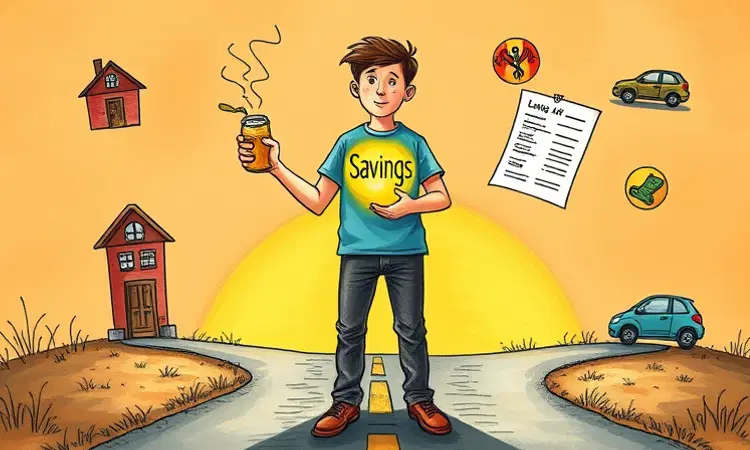
When an unexpected expense arrives—a sudden car breakdown, an urgent medical bill, or an essential home repair—you face a critical decision. Should you tap into your savings or borrow money? For U.S. consumers in 2026, balancing immediate needs with long-term stability requires careful comparison. Avoid interest, origination fees and protect your cash reserves without undermining future security.
This guide explores the core principles of emergency funds and personal loans, helping you decide based on your unique situation. You’ll learn practical strategies to minimize cost, preserve liquidity, and safeguard against future shocks.
Understanding the Emergency Fund
An emergency fund is cash set aside for unplanned, necessary expenses or a loss of income. It acts as your financial first responder, covering immediate costs without adding debt. Experts recommend building three to six months of expenses, though a starter fund can begin at one month or $1,000–$2,000.
Typical uses include:
- Job loss or reduced income
- Emergency medical bills
- Urgent home or vehicle repairs
- Insurance deductibles or emergency travel
By reserving cash for true emergencies, you avoid monthly debt payments and credit inquiries. However, depleting these reserves can leave you vulnerable if another crisis strikes.
The Anatomy of a Personal Loan
A personal loan is an installment loan issued by banks, credit unions, or online lenders. You receive a lump sum and repay it over a fixed term—commonly one to seven years—through scheduled payments. Most loans are unsecured, so they carry higher rates to offset lender risk.
Key features include:
- Fixed interest rate and monthly payment
- Annual percentage rate (APR) reflecting fees
- Potential origination, late-payment, or insufficient-funds fees
In September 2026, typical APRs ranged from 6% to 36%. Borrowers with strong credit might secure rates near 6%–10%, while those with fair credit could face rates above 20%. Origination fees of 1%–10% can further reduce net proceeds, so always compare APR, total repayment, and net funds received.
Key Factors in the Decision
Choosing between savings and a loan isn’t simply “savings versus debt.” Evaluate:
- The size and urgency of the expense
- The amount of cash currently available
- Your income stability and job security
- The total cost of borrowing, including APR and fees
- Consequences of exhausting savings
- Whether the expense is truly essential
- Your ability to meet debt payments without stress
Assess these factors side by side. A moderate expense might be best handled with cash, while a large, one-time cost could justify borrowing to preserve reserves.
Weighing the Costs and Benefits
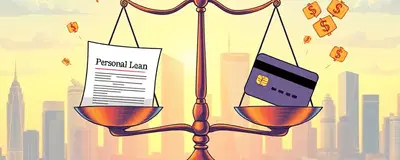
Below is a comparison of the main considerations when choosing an emergency fund versus a personal loan:
Select the option with the lowest overall cost and risk given your personal finances and future needs.
When to Use an Emergency Fund
You’ll generally prefer savings when:
- The expense is urgent and indispensable
- Your fund can cover the bill while retaining a cushion
- Loan APR and fees are high
- Your income is steady and you can rebuild quickly
- The cost is relatively small compared to your reserves
For example, a $1,500 urgent car repair might be best paid from cash if you still have at least three months’ living expenses intact.
When a Personal Loan Makes Sense
Consider borrowing when:
The expense far exceeds your available cash, preserving liquidity is more important than avoiding interest, and you can comfortably afford the monthly payment. Situations include:
- Major home renovations exceeding your fund
- High medical bills with extended payment options
- Emergency travel requiring immediate funds
Before applying, prequalify to compare APR offers. Choose a term that balances manageable payments with total interest paid. Avoid stretching repayment so long that you overpay in interest.
Rebuild and Protect Your Financial Health
Regardless of your choice, promptly replenish any funds used to restore your safety net. Automate contributions to your emergency fund, even if modest. Over time, increase deposits until you reach your target of three to six months of expenses or more if your situation demands.
Maintain a budget that distinguishes predictable costs from unforeseen events. Use separate sinking funds for holidays, routine maintenance, and planned purchases. This clarity helps prevent tapping your emergency cushion for non-emergencies.
Lastly, review your insurance coverage—health, auto, home—to minimize out-of-pocket surprises. Strong coverage reduces reliance on both savings and credit.
By carefully evaluating your personal finance landscape and weighing the true costs of savings versus borrowing, you’ll make the right choice when it matters most. Build your resilience, choose wisely, and face unexpected expenses with confidence.