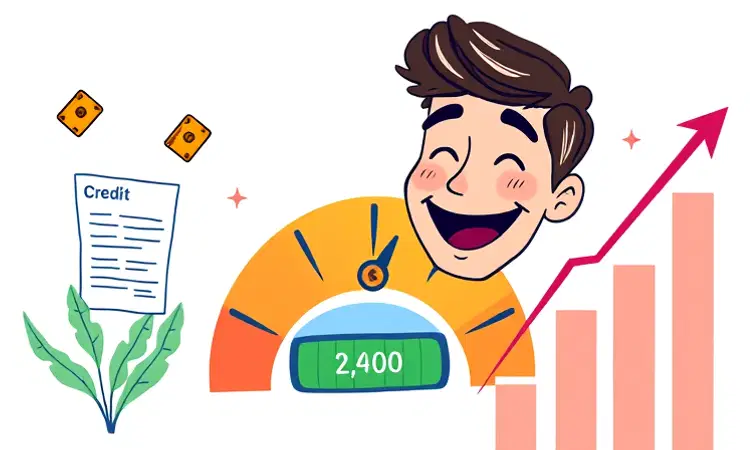
Personal loans can be a powerful tool for improving your credit when used wisely and paid on schedule.
Credit Score Fundamentals
Understanding how credit scores work is essential before taking on any new debt. In the United States, most lenders rely on FICO scores to assess credit risk. FICO considers five main categories of credit information. Knowing each category helps you see where personal loans fit into the bigger picture.
Payment History: Your Financial Bedrock
Payment history represents roughly 35 percent of a FICO score and is generally the most important category. A personal loan provides an opportunity to establish consistent on-time repayments by adding a new installment account with regular reporting to all three major bureaus.
Each payment reported as paid as agreed contributes positively to your record. However, a single missed payment can outweigh several months of good behavior. Consumers should remember that late payments must generally be at least 30 days overdue before they appear on credit reports and that delinquencies can remain visible for up to seven years.
Amounts Owed and Credit Utilization
Amounts owed accounts for about 30 percent of a FICO score. One key metric within this category is the revolving utilization ratio, calculated as the total credit card balances divided by total credit limits. High utilization can drag a score downward.
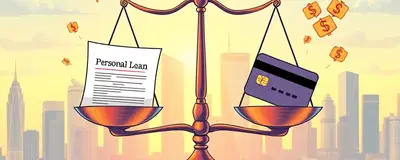
By using a personal loan to pay off credit card balances, borrowers can reduce credit utilization dramatically. Because installment loans are treated differently than revolving debt, shifting balances off cards and onto a fixed-rate loan can yield meaningful score gains.
That said, improvements are not guaranteed. Cards may still report balances until the payoff posts, and borrowers who continue charging purchases may quickly rebuild high utilization. Additionally, some scoring models consider installment loan balances, so managing repayment progress remains important.
Credit Mix Matters: Diversification Effects
Credit mix makes up approximately 10 percent of a FICO score. Scoring models value a balanced portfolio of credit types. If you only have credit cards, adding an installment loan can diversify their credit mix and provide a modest lift.
However, the benefit of diversification is relatively small compared with payment history and amounts owed. Consumers should avoid taking on debt solely for mix purposes. A new loan must be manageable and aligned with broader financial goals.
New Credit and Hard Inquiries
Applying for a personal loan typically triggers a hard inquiry, which can cause a temporary score decline. Opening the loan also reduces the average age of accounts and adds a new monthly payment obligation. These factors combine for a short-term dip in score before long-term benefits from positive payment history emerge.
To minimize the impact, borrowers can seek prequalification tools that rely on soft inquiries. When comparing offers, confirm whether the lender uses a soft or hard pull. Shopping within a limited period may be treated as a single hard inquiry under certain scoring models.
Top Ways Personal Loans Can Improve Your Score
- Establishing a record of on-time installment payments that bolster payment history.
- Paying down high credit card balances to lower revolving utilization ratios.
- Diversifying a limited credit profile with an installment loan for a more balanced mix.
- Creating a structured repayment plan that makes budgeting easier and more predictable.
Potential Pitfalls and Risks
- Missed payments can cause severe damage and remain on reports for years.
- Multiple hard inquiries may amplify short-term score declines.
- A new loan may reduce the average age of accounts, affecting score history.
Best Practices for Using a Personal Loan to Boost Credit
Before applying for a personal loan, evaluate your budget carefully. Ensure that you can comfortably afford the monthly payment for the entire term of the loan. A personal loan only benefits your credit when you meet each payment deadline.
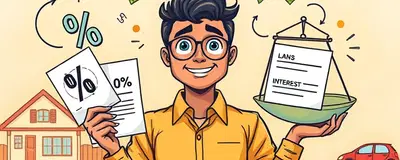
Shop wisely by comparing interest rates, fees, and repayment terms. Prequalify where possible to avoid unnecessary hard pulls. Align the loan amount with your specific goal, whether it is debt consolidation, emergency expenses, or another major need.
Once you have the loan, focus on maintaining a low balance on your credit cards and refrain from new borrowing until your installment account is well established. Monitor your credit reports regularly to confirm that payments are reported accurately and to catch any errors early.
In summary, personal loans can be a strategic tool for credit improvement when handled with discipline. By understanding how FICO categories apply, avoiding unnecessary new inquiries, and making every payment on time, you can harness a personal loan to build a stronger credit profile and move toward your financial aspirations.