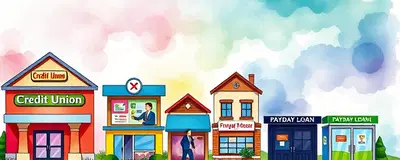
Securing a personal loan is not merely about finding a lender willing to say yes. It’s about presenting a credible, affordable borrowing case supported by thorough documentation and thoughtful planning.
By understanding how lenders evaluate every aspect of your application—from your credit history to your chosen repayment term—you can craft a proposal that stands out, inspires confidence, and maximizes your chances of approval.
What is a Personal Loan?
A personal loan is an installment loan repaid through fixed monthly payments over a defined term. Many are unsecured, meaning you pledge no collateral. As a result, your creditworthiness and income stability play a central role in obtaining approval.
Typical market characteristics include loan amounts ranging from $1,000 to $50,000, repayment terms of two to five years, and APRs between 7% and 36%, depending on your profile and lender policies.
- Loan amounts: approximately $1,000 to $50,000
- Repayment terms: typically two to five years
- APR range: about 7% to 36%, based on creditworthiness
Unlike credit cards or secured lines of credit, personal loans offer a predictable schedule of payments and a closed-end balance, making them ideal for debt consolidation, home improvements, emergency expenses, and other qualifying purposes.
- Credit card: Revolving balance, variable interest
- Secured loan: Requires collateral such as a vehicle or property
- Payday loan: Short-term, high-cost credit with rapid repayment
- Home-equity loan: Secured by home equity, different risk profile
- Balance-transfer card: Promotional rate, potential fees and resets
Key Approval Criteria
Lenders generally assess eight core factors:
- Credit history and score
- Income and employment stability
- Debt-to-income ratio
- Requested loan amount
- Repayment term
- Loan purpose
- Existing relationship with the lender
- Ability to verify identity, income, and bank-account information
Building a strong application means aligning all these elements to demonstrate your ability to repay under the proposed terms.
Credit History and Score
No universal minimum credit score exists for personal loans. Some lenders accept scores in the high 500s or low 600s, while favorable rates often require scores of 670 or above. Top-tier offers may be reserved for scores over 740 or even 800.
Understanding the difference between approval eligibility, pricing quality, and loan amount eligibility is crucial. You may qualify but receive higher APRs or smaller loan limits if your credit profile is less robust.
To strengthen your credit profile before applying:
- Check credit reports for errors and dispute inaccuracies.
- Pay all bills on time and reduce credit-card balances.
- Avoid opening new accounts immediately prior to application.
- Use soft-credit inquiries to compare prequalified offers.
- Preserve cash reserves rather than liquidating savings.
Income, Employment, and Documentation
Lenders require verifiable income sufficient to support payments. Qualifying income may include salary, self-employment earnings, bonuses, retirement benefits, and more, depending on the lender.
Common documentation includes:
- Recent pay stubs or W-2 forms
- Tax returns for self-employed applicants
- Bank statements showing deposits
- Government-issued identification
- Benefit or award letters
Reporting income accurately is essential. Inaccurate or inflated figures can lead to application denial, cancellation, or legal issues related to misrepresentation.
Debt-to-Income Ratio
The debt-to-income ratio (DTI) measures monthly debt payments against gross monthly income. A DTI around 36% or lower is typically viewed favorably, though some lenders approve higher ratios up to 50% or beyond depending on circumstances.
For example, if your monthly debts total $1,800 and your gross income is $5,000, your DTI is 36% ($1,800 ÷ $5,000 × 100).
Strategies to improve DTI include:
- Paying down existing balances
- Choosing a loan amount that aligns with your budget
- Selecting a term that balances monthly affordability and total cost
- Increasing documented income when possible
- Applying with a co-borrower to share obligations
- Waiting until short-term debts are paid off
Comparing Offers and Total Cost
APR is more informative than nominal interest rates because it includes certain fees. Always compare offers by looking at the APR, monthly payment, and total interest cost over the life of the loan, not just the lowest payment.
Notice how a longer term lowers your payment but increases total interest, illustrating why the smallest monthly obligation is not always the cheapest option.
Preparing a Winning Application
Gathering the right documents and presenting organized information can make the difference between approval and rejection. A well-prepared application typically includes:
- Full legal name, date of birth, and Social Security number
- Current and previous addresses, if required
- Government-issued identification
- Employer contact information and employment history
- Gross annual or monthly income figures
- Monthly housing payment details
- Existing debt obligations and payment records
- Bank statements for verification of assets
Tips for a Smooth Process
Before hitting submit:
- Review all information for accuracy and completeness.
- Confirm whether prequalification uses a soft inquiry.
- Limit new credit inquiries during your application window.
- Communicate clearly about your loan purpose.
- Maintain stable bank-account activity and employment records.
These actions show lenders you are committed to responsible borrowing and can reduce unnecessary delays or surprises.
Conclusion
A successful personal-loan application combines three core elements: a legitimate and affordable borrowing need, a strong financial profile that supports repayment, and a careful comparison of the loan’s full cost. By understanding how lenders assess your application, preparing thorough documentation, and choosing the right loan structure, you can approach the process with confidence and control.
Remember, each lender and each state may have unique requirements. Take time to compare offers, verify lender policies, and fine-tune your application. With diligent preparation and a clear borrowing plan, you’ll be well on your way to acing your personal loan request.