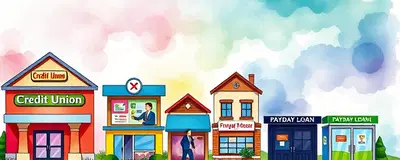
Personal loans can unlock opportunities—from consolidating debt to funding urgent repairs—but they also harbor hidden traps. A savvy borrower understands that the advertised rate is only the beginning of the story.
Understanding Personal Loans
A personal loan is typically an unsecured installment loan that delivers cash in a lump sum and repays it over a predetermined term. Payments combine principal and interest, often on a monthly schedule, and may range from 12 to 60 months.
Unlike payday or title loans, these products usually do not require collateral. Yet banks, credit unions, online lenders, and subprime institutions can offer vastly different terms, fees, and consumer protections.
Risk One: Fixating on Monthly Payments
A low monthly payment feels comfortable, but it can mask a higher total cost. Lenders may extend the repayment period or tuck fees into the balance to hit a borrower’s desired payment.
Consider this illustrative comparison for a $10,000 loan:
Always compare monthly payments against total cost and weigh how term length magnifies interest.
Prioritizing APR Over Interest Rate
The nominal interest rate tells only part of the story. The annual percentage rate (APR) includes interest and mandatory fees, offering a more complete comparison among lenders.
Yet APR can still omit certain charges such as late fees, returned-payment fees, or optional insurance premiums. Request a written disclosure showing the amount financed, finance charge, APR, payment schedule, and total payments before signing.
Uncovering Hidden and Additional Fees
Some fees may never appear in the advertised rate. Common charges include origination fees, documentation fees, late fees, and optional add-on insurance.
For example, a 5% origination fee on a $10,000 loan reduces your cash to $9,500 while your repayment remains based on $10,000. That discrepancy raises your effective cost beyond the stated APR.
The Hidden Costs of Long Loan Terms
Extending the repayment period lowers monthly payments but can double or triple total interest over the life of the loan. A longer term also keeps you in debt when the original emergency has passed.
Secured loans compound the risk: collateral stays under threat for a longer window, and overlapping obligations can strain future cash flow.
Borrowing Only What You Need
Lenders may approve more than you require. Taking the maximum offer inflates monthly obligations and interest paid, and it may entice unnecessary spending.
- Borrow strictly for a defined purpose
- Calculate the precise amount needed before submitting an application
- Avoid “extra cash” that lacks a repayment plan
Assessing Affordability and Cash-Flow Risk
Before committing, conduct a practical budget stress test. Identify whether loan payments fit alongside housing, utilities, food, transportation, insurance, childcare, existing debts, and emergency savings.
- Could you pay if income dropped temporarily?
- Would you still cover basic expenses?
- Would you need to use credit cards for essentials?
- Do you maintain an emergency reserve for unexpected costs?
If the loan forces reliance on further debt, it may worsen your financial health instead of improving it.
Debt Consolidation Pitfalls
Consolidating multiple balances into one payment feels simpler, but it does not guarantee savings. Watch for origination fees that erase rate benefits and beware of refinancing unsecured debt into a secured loan.
- Paying off credit cards then recharging them
- Extending repayment for many years
- Financing insurance premiums into the balance
- Neglecting the spending habits that caused debt
- Comparing new monthly payments rather than total cost
Compare your current remaining balance and total future cost against the proposed loan’s aggregate expense to ensure genuine savings.
Borrowing responsibly requires more than finding a low rate. It demands scrutinizing APR, fees, term length, and true affordability under stress. By focusing on the total repayment amount, uncovering hidden fees and charges, and borrowing only what you need, you transform a personal loan from a potential pitfall into a strategic financial tool.
Empower yourself with knowledge, seek transparent disclosures, and never hesitate to walk away from an offer that fails to meet your needs. Informed decisions today pave the way for a more secure and confident financial tomorrow.