Personal loans can be powerful tools when used thoughtfully and strategically. They offer quick access to funds for debt consolidation, necessary repairs, or career development—but only if you understand the total cost and have a clear repayment plan. In this guide, we explore how to harness a personal loan to move forward financially while avoiding common pitfalls.
Understanding the Personal Loan
A personal loan is an installment loan that delivers a lump-sum disbursement repaid through scheduled monthly payments over a defined term. Most consumer personal loans come with a fixed monthly repayment schedule, which can simplify budgeting by keeping payments predictable.
Key features typically include:
- A fixed borrowing amount disbursed at once
- Either a fixed or variable interest rate
- An unsecured structure, requiring no collateral
- A defined term usually between two and seven years
Because many personal loans are unsecured, lenders compensate through interest rates and fees. Understanding credit-based pricing adjusts your rate helps you anticipate the true cost based on your credit profile.
Current Rate Environment
As of May 2026, the Federal Reserve reported the average 24-month personal loan rate at commercial banks at 11.86%. By September 2026, marketplace data showed a three-year APR of 14.54% and a five-year APR of 18.95%. These figures serve as benchmarks rather than guarantees.
Actual APRs vary based on credit score, debt-to-income ratio, income stability, loan amount, and lender type. Always evaluate APR not just interest rate when comparing offers, because APR includes fees and other borrowing costs.
Illustrative Payment Examples
Extending the term lowers the monthly payment but increases total interest, underscoring why affordability evaluated both monthly and overall matters.
Smart Uses for a Personal Loan
When used for planned, affordable objectives, a personal loan can help you consolidate debt, fund essential needs, or invest in your future. Below are scenarios where borrowing may deliver clear benefits.
1. Consolidating High-Interest Debt
Replacing multiple credit-card balances with one installment loan can simplify payments and reduce interest—if the new APR is lower than your existing rates.
- The new APR must beat your current rates
- You must stop adding balances to paid-off cards
- The term shouldn’t extend so long that interest grows excessive
- You compare all fees before signing
Use a formula to calculate potential savings by subtracting your new loan’s total cost from your old debt’s total cost, including balance-transfer fees and any other charges. Remember, consolidation restructures debt—it doesn’t erase it.
2. Financing Essential Home Improvements
Personal loans can cover urgent repairs like a leaking roof, plumbing emergencies, or HVAC replacement. Distinguish between necessary maintenance versus discretionary upgrades to avoid borrowing for nonessential luxury renovations.
- Home-equity loans or lines of credit
- Contractor financing
- Government or utility energy-efficiency programs
- Personal savings
While personal loans offer speed and no collateral requirement, they often carry higher rates than secured home financing. Compare all options before deciding.
3. Paying for Essential Medical or Dental Treatment
When insurance falls short, a personal loan can fund emergency dental work, surgery costs, or mobility equipment. This must be approached carefully to avoid a debt spiral.
Before borrowing, investigate provider payment plans, hospital financial-assistance programs, nonprofit support, and your HSA or FSA balances. Compare the total cost and APR of medical financing alternatives to make an informed choice.
4. Funding Education or Career Development
For professional certifications or training that has a realistic path to higher income, a personal loan can bridge funding gaps. Estimate total costs, employment prospects, and potential income gains before borrowing.
Explore federal student aid, employer tuition assistance, or specialized education loans with protections you won’t find in a personal loan. Always weigh alternatives to ensure you get the best terms.
5. Replacing Essential Transportation
If your vehicle is vital for work or caregiving, a personal loan may cover major repairs. Compare the repair cost against the vehicle’s value and the interest rate you’d pay on an auto loan.
Factor in future maintenance, insurance, and registration expenses. A loan may not be justifiable if repair costs approach the cost of a reliable replacement.
6. Managing a Carefully Planned Emergency
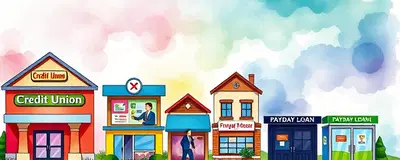
Personal loans can be less expensive than payday loans, title loans, or credit-card cash advances during urgent situations like essential home or auto repairs. However, borrowing creates a new fixed financial obligation and should not replace building an emergency fund.
First explore community resources, insurance claims, employer assistance, or payment arrangements with providers to minimize costs.
7. Starting or Expanding a Small Business
New entrepreneurs often use personal loans for equipment, inventory, licensing, or working capital. While convenient, this strategy carries personal liability if the business falters.
Prepare a detailed budget and prepare a detailed cash-flow forecast to verify that loan payments align with projected revenue and won’t strain your personal finances.
Uses That Generally Deserve Caution
Avoid using a personal loan for routine lifestyle spending, luxury vacations, or recurring budget shortfalls. If you need borrowed money each month to cover rent or groceries, the root issue lies in your budget, not a lack of funds.
Borrowing in these situations only delays financial stress and adds another fixed payment to your obligations.
Ultimately, a personal loan can unlock new financial opportunities when you have a clear plan, monthly payment fits comfortably within your budget, and the borrowing produces a clear financial or practical benefit. Take the time to compare APRs, review fees, and consider all alternatives before signing on the dotted line. Use credit wisely and let your loan be a stepping stone—not a stumbling block—to a brighter future.